
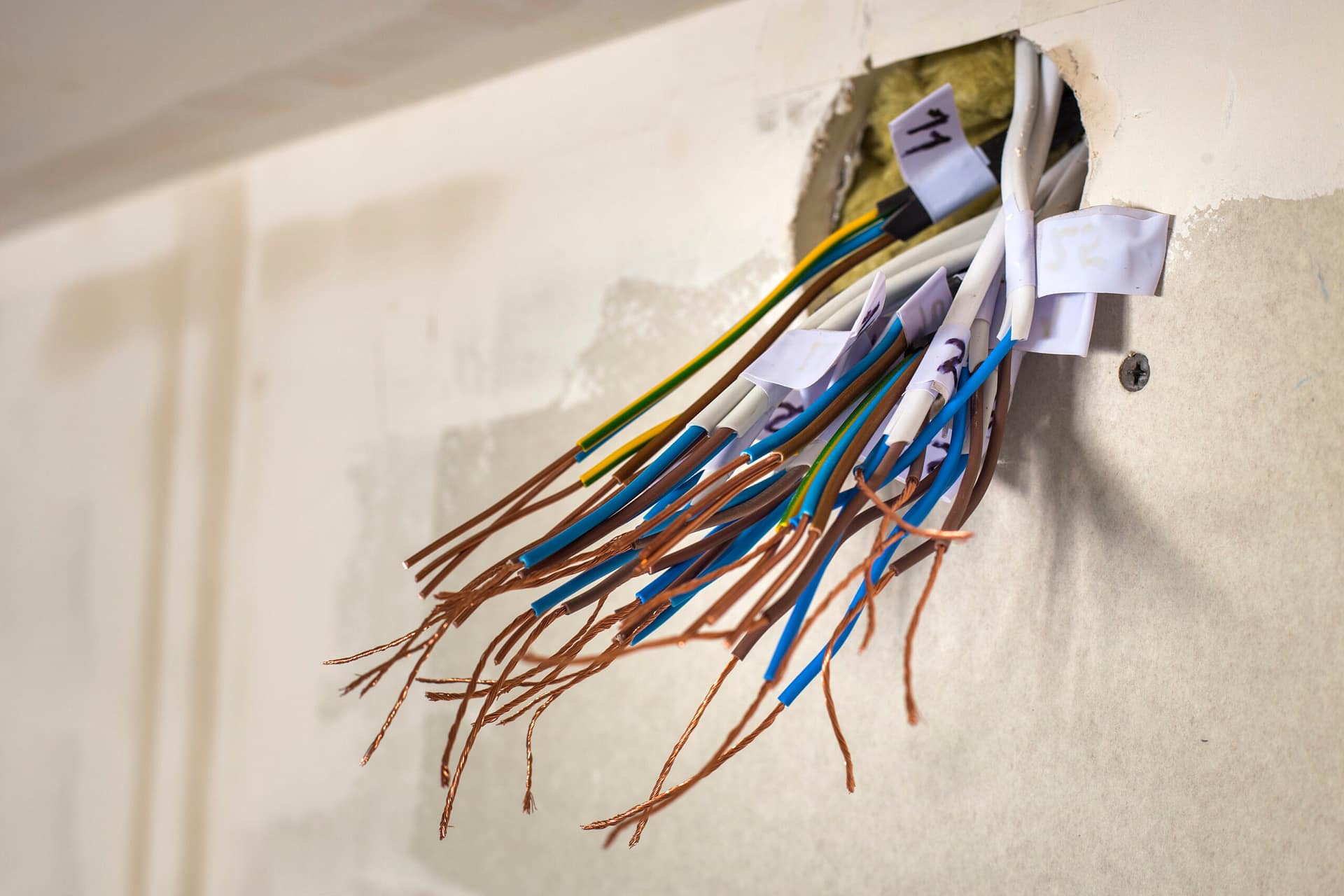
The Current State of Rochdale’s Infrastructure
The town of Rochdale, situated in the heart of Greater Manchester, possesses an infrastructure system that has served its residents for decades. However, much of this system, from its electrical grid to its transportation networks, is outdated and increasingly under strain. The ongoing demand to accommodate a growing population and adapt to the latest advancements in technology is putting pressure on the existing infrastructure.
Despite some attempts at modernisation, the infrastructure is characterised by ageing systems and structures that are not equipped to handle the needs and demands of today’s society. The public transportation system, in particular, fails to meet the requirements of an increasingly mobile population, while the electricity system is struggling to cope with the growing demand from residential and commercial sectors.
The existing infrastructure’s insufficient capacity and lack of resilience have led to frequent service interruptions, traffic congestion, and power outages. In its current state, Rochdale’s infrastructure is clearly in dire need of a significant overhaul to ensure it meets the town’s needs and expectations.
The Imperative Need for Infrastructure Overhaul
The town of Rochdale, like many other towns and cities across the UK, is in desperate need of a comprehensive infrastructure overhaul. The situation has reached a critical point where the existing systems and structures are no longer sustainable or efficient, impacting residents’ quality of life and hindering economic growth and development.
Rewiring Rochdale’s infrastructure is an essential step towards ensuring the town’s future prosperity and resilience. Upgrading the town’s infrastructure will not only improve service reliability but also enhance efficiency and sustainability. This will enable Rochdale to meet the needs of its current residents and businesses, as well as accommodate future growth and advancements.
Moreover, the infrastructure overhaul is not just about improving service delivery. It also offers Rochdale an opportunity to transition towards a more sustainable and resilient model that prioritises renewable energy, green transportation, and digital connectivity. This is in line with the UK government’s commitment to achieving net zero emissions by 2050 and the ongoing drive towards digitalisation.
Rewiring Rochdale: An In-depth Analysis
The task of rewiring Rochdale’s infrastructure is a complex and multifaceted undertaking. It involves the modernisation of the town’s electrical grid, transportation networks, water and sewage systems, as well as digital connectivity infrastructure. This will require significant investment, planning, and project management to ensure the transition is seamless and the benefits are maximised.
The electrical grid, for instance, needs to be overhauled to accommodate the growing demand for electricity and the shift towards renewable energy sources. This would involve upgrading the grid’s capacity, enhancing its resilience, and integrating smart grid technologies for improved efficiency and reliability. The transportation networks, on the other hand, need to be modernised to provide better connectivity, reduce congestion, and facilitate the shift towards electric and autonomous vehicles.
Additionally, the water and sewage systems need to be upgraded to ensure they are capable of handling the increased demand and extreme weather events associated with climate change. This would involve improving the capacity and resilience of the systems, as well as integrating smart technologies for better management and efficiency. Meanwhile, the digital connectivity infrastructure needs to be enhanced to provide better internet access and facilitate the adoption of digital technologies in various sectors.
Key Players and Stakeholders in Rochdale’s Infrastructure Revamp
Transforming Rochdale’s infrastructure is a massive project that involves various key players and stakeholders. The local government, in collaboration with the Greater Manchester Combined Authority, plays a central role in planning and overseeing the project. They work closely with infrastructure providers, construction companies, and technology firms to design and implement the necessary upgrades.
Utility companies, such as electricity and water providers, are also critical players in the infrastructure revamp. They are responsible for upgrading the town’s electrical grid and water systems, respectively. Meanwhile, transportation companies and digital service providers are tasked with modernising the town’s transportation networks and digital connectivity infrastructure. All these entities are crucial to the successful execution of the project.
Moreover, the residents and businesses of Rochdale are important stakeholders in this transformation. Their needs, preferences, and concerns must be taken into account throughout the planning and implementation process. They stand to benefit the most from the improved services and enhanced quality of life that the infrastructure overhaul promises to deliver.
Cost Projections for Rochdale’s Infrastructure Transformation
Revamping Rochdale’s infrastructure is a significant investment. While the exact figures are subject to ongoing assessments and negotiations, the total cost is estimated to be in the billions of pounds. This includes the cost of upgrading the electrical grid, transportation networks, water systems, and digital connectivity infrastructure, as well as the cost of project management and contingencies.
Financing the project will require contributions from various sources, including the local government, the Greater Manchester Combined Authority, and the UK government’s infrastructure fund. Additionally, private sector investment will also be needed, particularly for aspects of the project that can generate a return on investment, such as renewable energy projects and digital infrastructure upgrades.
While the cost may seem daunting, it is important to view this as a long-term investment that will deliver significant returns in the form of improved services, enhanced quality of life, economic growth, and increased resilience. The benefits far outweigh the costs, making the infrastructure overhaul not just necessary but also economically sound.
The Expected Impact on Rochdale’s Economy and Lifestyle
The revamping of Rochdale’s infrastructure is expected to have a significant positive impact on the town’s economy and lifestyle. By improving service reliability and efficiency, the project will enhance the quality of life for residents and create a more conducive environment for businesses. This will stimulate economic growth and attract investment, creating jobs and wealth for the town.
Moreover, the infrastructure overhaul will facilitate Rochdale’s transition towards a more sustainable and digitalised model. This will open up new opportunities in the green and digital sectors, further boosting the town’s economy. It will also enhance the town’s resilience, ensuring it is better equipped to handle future challenges and uncertainties.
From a lifestyle perspective, residents can expect better public transportation, more reliable utilities, and faster internet access. These improvements will make life more convenient and comfortable, contributing to overall well-being. The shift towards greener and smarter solutions will also make Rochdale a more sustainable and liveable town.
Potential Challenges and Risks in Rochdale’s Infrastructure Upgrade
While the benefits of revamping Rochdale’s infrastructure are clear, the project is not without its challenges and risks. The sheer scale and complexity of the project pose significant logistical and project management challenges. There will be disruptions to services during the construction phase, which need to be managed carefully to minimise inconvenience to residents and businesses.
There is also the risk of cost overruns and delays, which are common in large infrastructure projects. This requires rigorous project management and financial controls to keep the project on track and within budget. Additionally, there may be resistance from certain quarters, particularly those who stand to lose from the changes or are sceptical about the benefits.
Despite these challenges and risks, it is crucial that Rochdale presses ahead with the infrastructure overhaul. The benefits far outweigh the drawbacks, and the costs of inaction are far greater. With careful planning, robust project management, and continuous engagement with stakeholders, the challenges and risks can be managed effectively.
Outlook: Rochdale’s Infrastructure in the Next Decade
Looking ahead, the next decade will be a transformative period for Rochdale’s infrastructure. The town is set to become a model for other towns and cities in the UK, showcasing how infrastructure can be modernised and rewired to meet the needs of the 21st century. This transformation will not only improve the quality of life for residents but also drive economic growth and resilience.
The shift towards a more sustainable and digitalised model will put Rochdale at the forefront of the UK’s transition towards a net zero and digital economy. This will open up new opportunities and markets, making Rochdale an attractive destination for investment and innovation. The town’s competitiveness and appeal will be significantly enhanced, promising a brighter future for its residents and businesses.
In conclusion, the revamping of Rochdale’s infrastructure is a crucial step towards ensuring the town’s future prosperity and resilience. It is a massive undertaking that requires significant investment and effort, but the benefits are well worth it. With the right planning, execution, and stakeholder engagement, Rochdale is well-positioned to embark on this exciting journey of transformation.