Understanding the Importance of Carbon Monoxide Alarms
Carbon monoxide (CO) alarms are essential devices for maintaining a secure and safe indoor environment. CO is a silent killer; it’s a colourless, odourless, and tasteless gas that is nearly impossible to identify without proper detection technology. Prolonged or heavy exposure to CO can lead to severe health conditions, including death, which underscores the importance of having reliable detectors installed in homes and workplaces.
CO alarms work by monitoring the concentration of carbon monoxide in the atmosphere, and alerting residents if dangerous levels are detected. This early warning can be crucial, allowing occupants to escape the premises before the gas reaches lethal concentrations. For those living in Rochdale, it’s a crucial safety measure to protect against the risks posed by faulty boilers, heaters, and other appliances that may produce CO.
The benefits of installing CO alarms are thus clear – they provide peace of mind, protect the health of residents, and ultimately, save lives. They are a small investment with a significant return, particularly when you consider the potential cost of ignoring the risks associated with carbon monoxide exposure.
Legalities of Carbon Monoxide Detectors in Rochdale
In Rochdale, as in the rest of England, it is legally required for landlords to install CO alarms in every room with a solid fuel burning appliance, under the Smoke and Carbon Monoxide Alarm (England) Regulations 2015. This includes rooms where tenants have installed their appliances, as well as rooms that landlords provide with appliances. The alarms must be tested and working at the start of each new tenancy.
While it is not currently a legal requirement for homeowners to install CO alarms in their own properties, the National Fire Chiefs Council and other safety organisations strongly recommend doing so. This is especially important in homes with fuel-burning appliances or attached garages, where the risk of CO leaks is higher.
Non-compliance with these laws can result in heavy fines and penalties. More importantly, it can put lives at risk. It is in the best interest of landlords, tenants, and homeowners to understand and adhere to these requirements.
Selecting the Right Carbon Monoxide Alarm
When selecting a CO alarm, it’s important to look for devices that meet British Safety Standards (EN 50291). These alarms have undergone rigorous testing to ensure their reliability and effectiveness. There are different types of CO alarms, including battery-operated, plug-in, and hard-wired models. Battery-operated alarms are easy to install and remain functional during power cuts. Plug-in alarms require an electrical outlet, while hard-wired models need professional installation.
Consider features such as digital displays, which show the level of CO in the atmosphere, and voice alerts, which can be more easily recognised, especially during sleep. Some models can also interlink with other alarms in the house, providing a whole-home alert system. Each of these features enhances the functionality and reliability of a CO alarm, providing an added layer of safety.
It’s also important to consider the lifespan of an alarm. Most CO alarms last between five and seven years. However, some premium models may last up to ten years. Always check the manufacturer’s instructions and replace alarms as recommended.
A Step-by-Step Guide to Installing CO Alarms
Firstly, read the manufacturer’s instructions before installing your CO alarm. These will contain specific information regarding proper placement, mounting, and testing. You will need a drill, screwdriver, and the accompanying screws and plugs that come with the alarm.
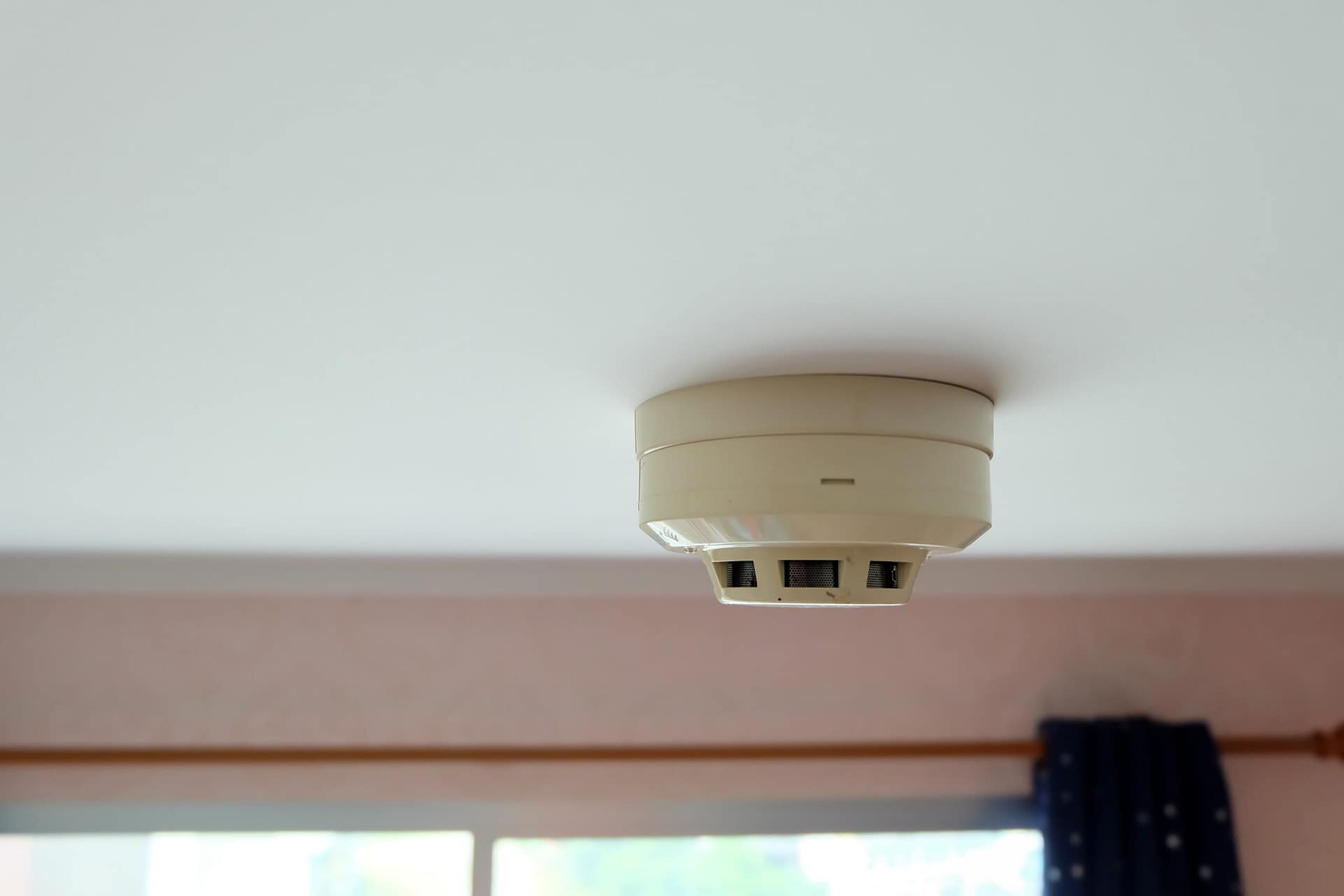
Next, determine where you will install your alarm. The device should be placed high up on a wall or on the ceiling, as carbon monoxide mixes with air and can be found throughout a room. It should be located at least one metre from any fuel-burning appliance and out of reach of children and pets.
Once you’ve determined the location, use your drill to make holes for the mounting bracket. Secure the bracket to the wall or ceiling using the provided screws. Then, attach the CO alarm to the bracket. After installation, make sure to test the alarm following the manufacturer’s instructions.
Best Places to Install Carbon Monoxide Detectors in Your Home
CO alarms should be installed in every room that contains a fuel-burning appliance. This includes kitchens, living rooms with fireplaces, and rooms with gas heaters or boilers. Additionally, it’s a good idea to install alarms near bedrooms to ensure that occupants are alerted while sleeping.
CO alarms should be placed at least one metre away from fuel-burning appliances and out of the direct path of doors, windows, and vents that could affect their sensitivity. If mounted on a wall, the alarm should be installed higher up, as carbon monoxide mixes with warm air that rises. However, avoid placing an alarm right next to the ceiling, as this area may contain dead air space.
For multi-story homes, install a CO alarm on each level, and in a central location like the hallway. Remember, the aim is to detect CO before it reaches your sleeping area, so placing detectors in proper locations is crucial.
Maintenance Tips for Your CO Alarm
Regular maintenance is key to ensuring your CO alarm remains effective. Test your alarm once a month by pressing the ‘test’ button, ensuring it’s working properly. Replace batteries annually, or as needed. Some models will alert you when the battery is low.
Keep your alarm clean and dust-free. Use a vacuum cleaner to remove dust from the vents. Avoid painting over your CO alarm, as this can interfere with its functionality. It’s recommended to replace your alarm every five to seven years, or as suggested by the manufacturer, even if it appears to be functioning correctly.
Keep a record of your alarm’s installation date and its expected end-of-life date. This will help you remember when it’s time for a replacement. Remember, regular maintenance is a simple way to ensure the continued safety of your home.
What to Do When Your Carbon Monoxide Alarm Sounds
If your CO alarm sounds, it’s important not to panic. Firstly, check if any household member is experiencing symptoms of CO poisoning such as dizziness, headaches, nausea, or confusion. If anyone is symptomatic, evacuate the house immediately and contact emergency services.
If no one is showing symptoms, ventilate the house by opening doors and windows. Turn off any fuel-burning appliances and leave the house. Contact a qualified technician to check your appliances and chimney for leaks. Do not return to the house until it’s been cleared by a professional.
Remember, your CO alarm is a warning device, designed to alert you before an emergency occurs. It’s essential to take its alerts seriously and act immediately to protect your health and safety.
Professional Services for CO Alarm Installation in Rochdale
If you’re unsure about installing a CO alarm yourself, consider hiring a professional. There are numerous companies in Rochdale that offer installation services. These professionals can assess your property, recommend the best alarm type and placement, and ensure it’s installed correctly for optimal performance.
Professional installation not only guarantees the correct setup but also offers an opportunity for homeowners to learn more about CO risks and alarm operations. The professionals can provide valuable advice on maintenance, testing, and what to do if the alarm sounds.
It’s a small price to pay for the peace of mind that comes with knowing your home is protected against the invisible threat of carbon monoxide. It’s an investment in your safety and the well-being of your family. Remember, when it comes to CO alarms, it’s always better to be safe than sorry.